


A colonoscopy is a procedure in which a small camera is used to examine the colon and it is not necessarily as easy to see the doctor’s diagnosis. Colorectal cancer is caused by the lining of the rectum and colon and abnormalities in the colon can be symptoms or diagnostic signs. So knowing colonoscopy basics and who a colonoscopist is will aid in the diagnosis of colon cancer and colonoscopy is important for patients to be easier to read.
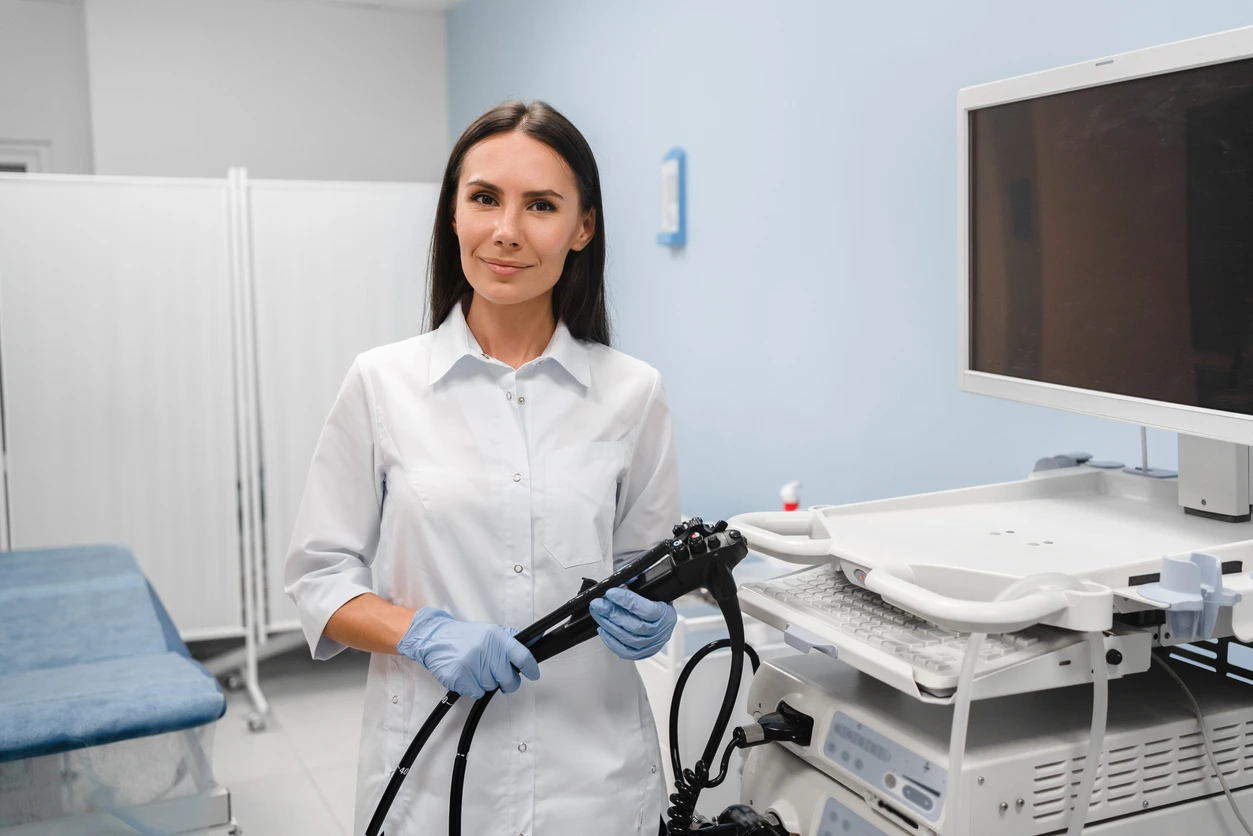
What is a colonoscopist?
A colonoscopist is a medical professional who is trained in colonoscopy. In the United States, colonoscopies are performed by gastroenterologists but other doctors trained in colonoscopy can also perform them.
A gastroenterologist is a specialist in the digestive system (e.g., esophagus, stomach, small intestine, colon, rectum, liver, pancreas and other digestive organs).
A colonoscope is a long, flexible but wide-ranging instrument with a camera. It is inserted through the rectum and carefully moved through the colon so that the doctor can check its inner lining.
Why do you need a colonoscopy?
Colonoscopy can be done for screening or as a result of symptoms that prompt further investigation.
Colorectal cancer screening is one of the most common uses of colonoscopy. The patient is screened before symptoms begin to develop in order to detect colorectal cancer and precancerous changes at an earlier stage.
Colonoscopy can be indicated if you have certain gastrointestinal symptoms. Rectal bleeding, blood in the stool, persistent changes in bowel habits, unexplained abdominal discomfort, or some types of anemia might mean a doctor will order further treatment.
Personal history and family history also influence the choice of colonoscopy for a patient.
What do colonoscopes look for?
Healthy tissue has a signature look. The doctor would look for changes in color, texture, shape or vascular patterns.
Colonoscopists may be looking for polyps, inflammation, ulcers, bleeding, abnormal growths or changes in tissue.
The exam is systematic. The goal is not to get to the end of the colon and lose the scope. More precisely, careful visualization is important to spot problems that might have been missed otherwise.
Colon polyps are one of the most important findings in colonoscopy.
Colon polyps are a growth in the inner lining of the colon or rectum. Colon polyps can be a variety of shapes and types, but they are not cancerous tumors.
However, some types of polyps can eventually develop into colorectal cancer. Finding and removing them is key for cancer prevention.
Colonoscopy has the benefit of detection and removal in the same procedure. If the colonoscopist identifies a polyp that is suitable for removal, instruments will be passed through the colonoscope.
The tissue will be sent to a lab for examination.
Why are polyps sent to the lab?
Obviously, there are a series of red flags that can be seen, and a colonoscopist can visually identify a suspicious area, but appearance alone doesn’t always make a diagnosis.
Once a polyp or tissue sample has been removed, a pathologist can examine the cells under a microscope, and the laboratory results will be available at the next step.
The lab results will inform what happens after and the kind of tissue that has been removed and if there were pathological changes in the cells.
The number, size, and type of polyps found can affect when a patient should have another colonoscopy, for example. The things patients should talk about with their doctor are pathology and follow-up.
Looking for inflammation.
Colon cancer and polyps are not the only reasons to check. Colonoscopy can show inflammation or ulceration.
These findings may be of interest to diagnose digestive system diseases, such as inflammatory bowel disease, such as ulcerative colitis and Crohn’s disease.
If an area is abnormal, the doctor will perform a biopsy, i.e., he or she will take a small sample that can be examined by a laboratory.
Biopsies can be done even if the colon looks relatively normal and changes in the microscopic structure are not visible through the camera.
The cause of bleeding.
Blood in or around a bowel movement is subject to many causes. Some are minor and some require further investigation.
If colonoscopy is indicated, the colonoscopist may check for abnormalities that can be associated with bleeding.
The examination can reveal polyps, inflammation, abnormal blood vessels, tumors, and other findings.
However, not all gastrointestinal bleeding is caused by the colon; so sometimes more evaluation is needed. The investigation of the patient depends on the symptoms and history.
That’s why bowel preparation is so important.
The colonoscopist can only see what the tissue looks like. So bowel preparation is necessary in colonoscopy.
In many cases, patients are instructed to empty their colon before the procedure; typically, diet and a bowel preparation plan are followed.
Stools in the colon can obscure the lining of the colon. If visibility is poor, small or flat abnormalities may not be visible and are harder to identify.
Patients should follow their specific preparation instructions and not go ahead on their own. If the instructions are unclear or the preparation is not complete, the medical office should be contacted for help.
What will happen during the procedure?
The sedation or anesthesia is typically given in the medical setting and what the procedure is going to be like.
The colonoscope is inserted through the rectum and travels through the colon. The doctor evaluates the lining and uses instruments through the scope if a polyp needs to be removed or a biopsy is necessary.
After the colonoscopy is completed, the patient will be treated and monitored during recovery.
Since sedation can affect alertness and coordination, patients must be taken care of by another person to drive them home and follow the procedure’s specific post-procedure instructions.
Choosing a colonoscopist.
The patient will ask the colonoscopist about his training, having been involved in colonoscopy and where the procedure will take place.
If a polyp is detected, how a pathology result is shared and what follow-up is to be considered.
Tell your medical team about medications, medical conditions, allergies, and previous experiences with sedation or anesthesia.
Some medications may require specific instructions before going into the colonoscopy, but patients should not stop the medication they are on unless they are directed to do so by a medical professional.
Conclusion
A colonoscopist does much more than simply guide a camera through the colon. During a colonoscopy, the intestinal lining can be examined for polyps, inflammation, bleeding, abnormal tissue, and other findings that may be of interest to a patient’s health. Polyps may be removed and abnormal areas biopsied in the same procedure, which is why colonoscopy is a great way to see and identify certain abnormalities. What a colonoscopist is looking for can help patients understand why preparation, examination, and follow-up are all factors in colonoscopy.