


Questions are common when you visit one of them and they’re always looking for something to say on the first visit. Common digestive problems will have to be handled by primary care providers and some patients have to set up an appointment on their own. If you are suffering from abdominal pain and your bowel habits are changing, acid reflux is going on or you’re going to go to colorectal cancer testing, your first appointment is to figure out what you’re suffering from and how to handle it. A doctor that does colonoscopies is referred to as specialists in the field and diagnose and treat a wide range of digestive problems. What happens at your first visit will help to reduce anxiety and you will be prepared for it.
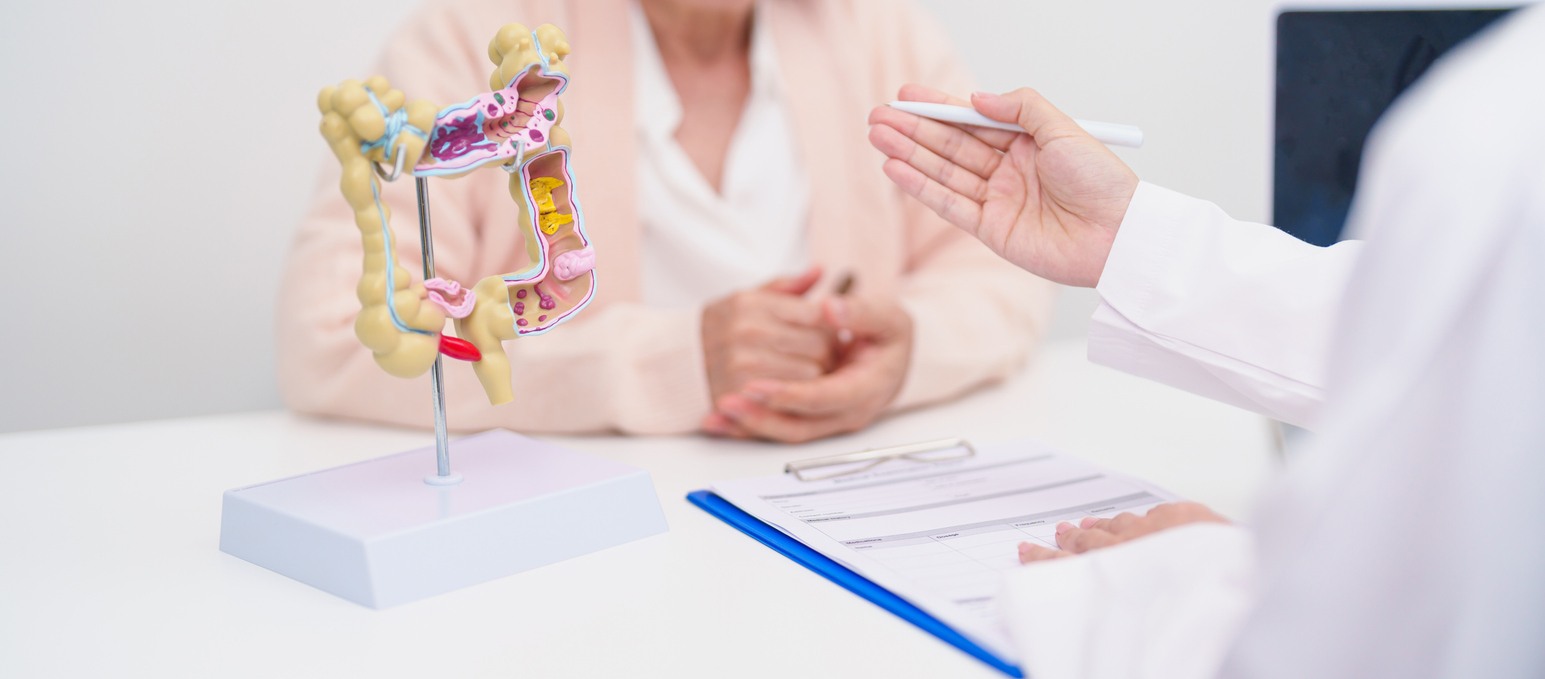
Why You Should Visit a Gastroenterologist
There are many reasons why a person should go to a gastroenterologist. Some people may have symptoms that have remained for weeks or months and others might seek first-line treatment for cancer prevention with colorectal cancer screenings. Digestive problems are little annoyances on the day and diagnosis is the first step in treatment.
The common problems that can lead you to a gastroenterologist are persistent heartburn and chronic constipation or diarrhea, abdominal pain, bloating, vomiting, nausea, difficulty swallowing, rectal bleeding, blood in stool, unexplained weight loss or noticeable changes in bowel habits. Patients with a family history of colon cancer, colon polyps, Crohn’s disease, ulcerative colitis or other gastrointestinal disorders are more likely to show similar symptoms.
These symptoms may seem routine, but chronic digestive problems should not be dismissed. Early diagnosis and treatment is the most effective route to treat many gastrointestinal disorders, and symptoms might indicate a diagnosis that needs to be made early.
You Have to Go to Your Doctor Because Your Medical History Is the Basis of Your Visit
Most of your first visit will be about your health. Gastroenterologists have access to your medical history because many digestive diseases are exactly as complex as you are. Understanding when your symptoms start and how long and how they occur and why you think that they are happening can help narrow the list of causes down.
Your doctor would probably ask about all that discomfort, where and how bad it is and when it starts, whether it comes after eating, how long it goes on and if it’s better or worse. You’ll also be asked about your past digestive problems, surgeries, medications, allergies and any new illness or infection. Family history is important because most gastrointestinal diseases are hereditary.
You want a good picture of your digestive health and you are honest and thorough in this discussion. You can diagnose everything, even the most unrelated information.
Talk About Your Symptoms
Digestive symptoms can be a sign of many diseases, and when you’re dealing with this disorder, what you want to ask your gastroenterologist is specific questions about what you’re experiencing. For example, abdominal pain could be caused by irritable bowel syndrome, inflammatory bowel disease, gallbladder disease, ulcers, diverticulitis or many other diseases. Chronic diarrhea can be caused by food intolerance, bacterial infection, side effects of drugs or inflammatory diseases.
You may be asked about some foods that are making your symptoms worse, if you feel better after you use the bathroom, if you have blood in your stool, if you have fever, fatigue and weight loss. That will tell you if you’re having inflammation, infection, structural problems, functional diarrhea, for example, or how to talk with gastroenterologists to figure them out and why they are scared of talking about your bowel habits and digestive symptoms, because they fear that it will hurt so much, and it is very painful to talk to gastroenterologists and it’s very uncomfortable — but they do.
They want to understand your symptoms and not judge you so that they can make the best possible assessment and treatment recommendations for the best possible outcome.
The Physical Examination
A gastroenterologist will usually do a physical examination based on your medical history. It is brief but essential as it supports the evidence presented in your medical history.
The doctor can check your abdomen for tenderness, swelling or unusual masses and also listen to bowel sounds with a stethoscope. They’ll check if you’re dehydrated or have nutritional deficiencies or any other physical issues that might indicate digestive problems. If necessary more tests are required.
Physical examination is easy and helps to make a diagnosis if more testing is necessary.
More Testing May Be Necessary
A gastroenterologist will need to do more examination based on your symptoms and examination results; not all patients will need to be tested after the first visit.
Blood work is usually done to check for anemia, infection, inflammation, liver disease or nutritional deficiencies. Stool analysis can reveal infections, inflammation, hidden blood, digestive disorders not visible in a body examination.
Imaging studies (ultrasound, CT, MRI) could be needed to examine the organs in the abdomen. These tests can provide detailed images that can diagnose diseases in the liver, pancreas, gallbladder, or other parts of the digestive system.
If your symptoms indicate a disease in the lining of the digestive system, a doctor will recommend an endoscopic procedure such as an upper endoscopy or colonoscopy. The doctor can directly examine the digestive system using a flexible camera and take tissue samples if needed.
If a Colonoscopy Is Recommended
Most people don’t think colonoscopy is necessary on the first visit. The decision is made based on your symptoms, medical history, age and individual risk factors.
At the right age, colonoscopy is commonly recommended for colorectal cancer screening and sometimes it’s recommended earlier if someone has certain risk factors and family history of colorectal cancer. It may also be recommended for rectal bleeding, recurrent diarrhea, iron deficiency anemia, unexplained abdominal pain or blood in the stool.
The gastroenterologist looks at the lining of the colon with a thin flexible camera. Colon polyps, inflammation, diverticulosis, colorectal cancer and many other diseases are detected and treated during the procedure.
These can be treated and cured before they become cancer and colonoscopy is one of the best preventive techniques available today.
If your doctor recommends a colonoscopy, they will tell you how to prepare, what to expect during the procedure and how recovery usually works after.
Developing a Treatment Plan
You probably will have to talk to a doctor when you come to a doctor regarding a treatment plan. Not all digestive diseases require surgery or treatment. Some of the symptoms improve with diet, lifestyle change, medication or longer-term monitoring.
Your gastroenterologist will probably recommend more dietary fiber, drinking more water, improving eating habits and food sensitivities or prescription medication for certain conditions. Some people don’t require acid reflux medication; others require treatment for inflammatory bowel disease and infections or other digestive symptoms.
Because digestive health is not the same for each person, there are individualized plans for treatment. You will detail the recommendation and what is next based on your diagnosis.
Preparing for Your First Visit
You might want to prepare yourself for your first visit. Your current medications, previous laboratory and imaging studies and previous medical records will help your gastroenterologist to get a better sense of your health.
If you have symptoms before the appointment, you can write down when they occur and how serious they are and if certain foods seem to trigger them.
Many patients also have a list of questions they want to ask while they’re going to have it before the appointment. During the course of the appointment, it’s easy to forget how you were going to go on to discuss the issues you were really going to go on to address and with new information about your health coming with you, and you have to remember to take notes and bring a family member to take notes or bring back some of the best recommendations.
Making the First Step Toward Better Digestive Health
Your first visit to a gastroenterologist is to ask questions, look at what is causing your symptoms and come up with a plan of action for your digestive health to be better. Some people may be anxious before the appointment, but it’s a matter of understanding your concerns and deciding to go for more evaluation.
Digestive symptoms shouldn’t be ignored just because they’re embarrassing or inconvenient. Early diagnosis is the best medicine, much better treatment and rarely symptoms later on. You may have acid reflux, abdominal pain, changes in bowel habits or colorectal cancer screening and it is important to seek a gastroenterologist for your digestive health.
You will feel better when you know what to expect from your first visit and will have an impact on your digestive system after that time that will be long-lasting.