Colonoscopy is one of the most commonly performed surgical procedures to check the health of the colon and rectum. Doctors can recommend a colonoscopy in routine colorectal cancer screening or look for symptoms such as rectal bleeding, bowel changes, abdominal discomfort or unexplained anemia. When they actually have to have a colonoscopy, patients are often very nervous about it, but the procedure works very well and is less of an experience when you know what you’re doing. A colonoscopy is an examination of the colon’s lining and in that way can reveal problems which are not clear from other tests. In some cases, suspicious tissue or pthat can be removed during the procedure by doctors such as Dr. Berookim.
Colonoscopy: What is colonoscopy?
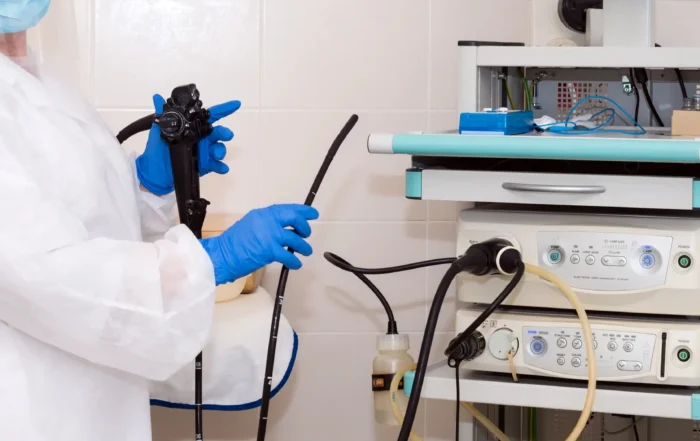
A colonoscopy is a procedure that involves looking in the colon and rectum with a thin flexible instrument called a colonoscope. A miniature camera and light at the end of the scope allows the doctor to carefully examine the intestinal lining.
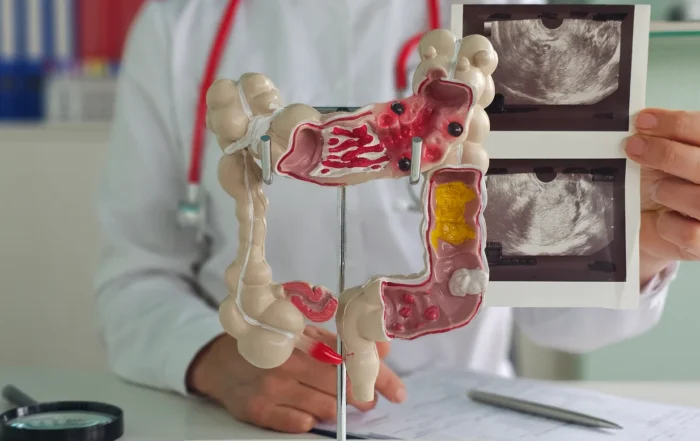
The doctor checks polyps, inflammation, bleeding, abnormal tissue and other things like this during the examination. If a polyp or suspicious area is detected, the doctor could remove it or sample it for lab exam.
The ability to identify and remove some polyps is one of the reasons colonoscopy is so important to prevent colorectal cancer. Colorectal cancer can begin as precancerous polyps that can progress over time. Finding and removing them before they develop cancer can prevent colorectal cancer.
Why would a doctor recommend colonoscopy?
Colonoscopy is usually performed for screening or diagnostic purposes.
For those with no symptoms, a doctor may recommend colorectal cancer screening based on age and individual risk factors. Screenings can be different if a person has a family history of colorectal cancer, polyps or a certain gastrointestinal issue.
If someone starts to show symptoms that indicate they need to be treated, a diagnostic colonoscopy can be recommended. These can be blood in stool, frequent variations in bowel movements, unexplained iron-deficiency anemia, chronic abdominal pain or unexplained weight loss.
One of these symptoms does not always mean that the person has colorectal cancer. Many gastrointestinal conditions can lead to similar problems. Colonoscopy is a time for the doctor to look at the colon and ask if there are any more treatments or tests to be performed or to see.
Preparation is very important for a successful colonoscopy. The colon needs to be clean enough for the doctor to scan its lining.
Preparation should be done in advance of a visit to patients and usually requires a lot of time and detail for the patients. That could mean changing diet and a bowel cleanser is in place or changing the diet and taking a bowel cleanser. Regular bowel movements and emptying the colon are caused by preparing for the procedure.
The patients need to heed the instructions of the medical team and not substitute one method of preparation for another. Some drugs or supplements need to be adjusted before the procedure. Before going into the hospital, patients should discuss with their primary care provider their medications, health conditions and allergies.
The bowel preparation may be annoying, but a clean colon means that a doctor can perform a more thorough examination. Poor preparation may not reveal polyps or other things that might cause colonoscopy, making it necessary to perform it again.
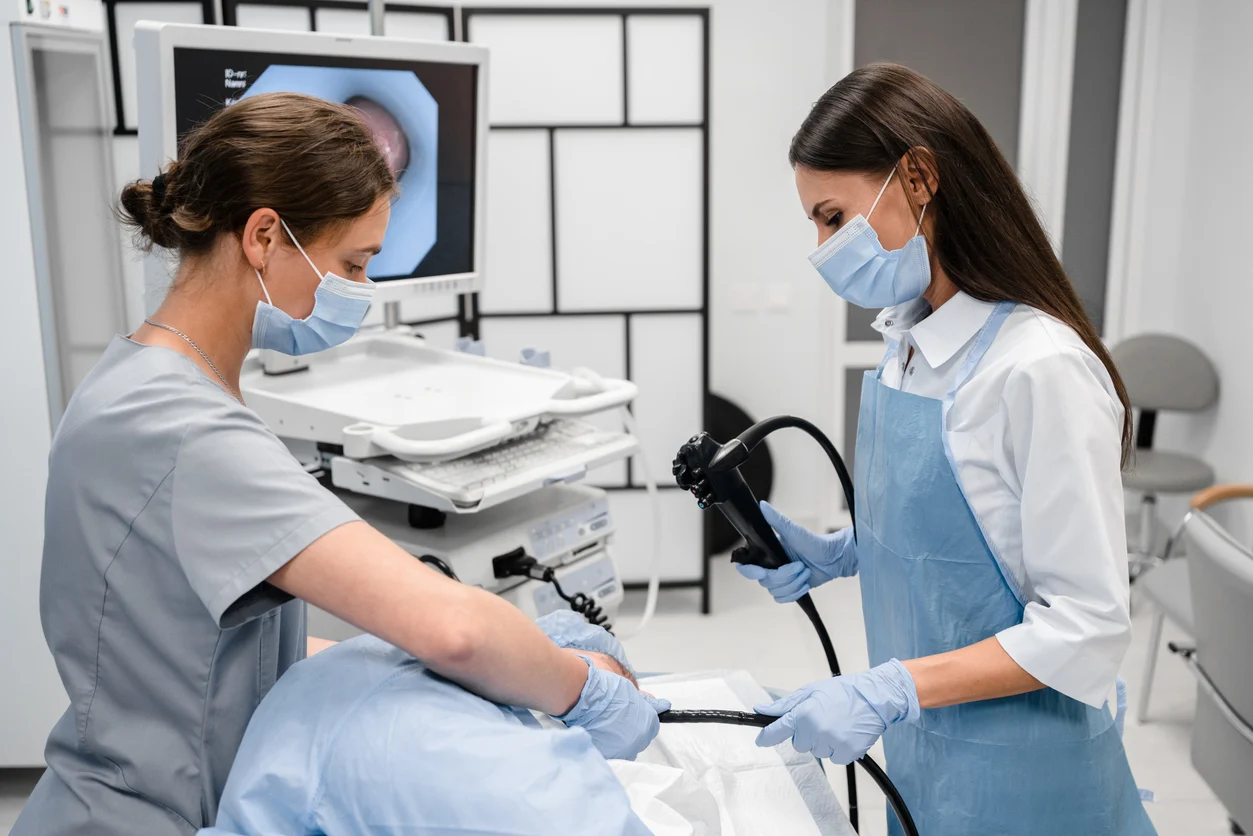
What happens in a colonoscopy?
When patients prepare for colonoscopy, they are usually given medication to ease the experience. The exact sedation or anesthesia method can vary by facility, patient or medical condition.
The colonoscope is inserted through the rectum and guided through the colon once the patient is comfortable. The camera captures images that the doctor can examine the intestinal lining.
Air or carbon dioxide can be injected into the colon for increased visibility. There could be a little bit of bloating or gas following the procedure.
If a polyp is detected, the doctor can usually remove it during the same procedure. Tissue samples can also be taken and sent to a lab for further evaluation. The patients do not feel these tissue samples being taken.
What happens after a colonoscopy?
The patient usually stays in the recovery area for a short time after the exam as sedation wears off. Temporary bloating, gas or mild abdominal cramping can also occur. These symptoms usually improve when air produced during the process is released from the colon.
Because sedation can affect coordination, judgment and reaction time, the patient is instructed not to drive home after the procedure, and the medical facility will give specific instructions on transportation, eating, medication and return to normal activities.
The doctor might talk to you about the results a few hours after the procedure. If tissue samples or polyps were sent to a lab, the results may take longer to come.
What Can a Colonoscopy Detect?
Colonoscopy can help medical personnel detect colon problems. In addition to colorectal polyps and cancer, inflammation, bleeding, diverticular disease and other abnormalities in the colon can be detected.
What happens next might be based on those results. A normal colonoscopy may not be needed for several years, but someone who has some polyps removed may need follow-up after a few years.
The recommended interval is determined by the quality of the examination, pathology, the number and type of polyps discovered, family history and the patient’s overall health condition.
Is colonoscopy safe?
Colonoscopy is typically performed, but as any medical procedure can be, it does have risks. Complications can include bleeding, sedation reactions, or worse, a tear or perforation in the colon.
The medical team should explain the risks and benefits before the procedure. Patients should also have a full list of symptoms that need to be treated, in addition to asking for medical help, particularly severe or worsening abdominal pain, heavy bleeding, fever and other concerning changes that require immediate attention.
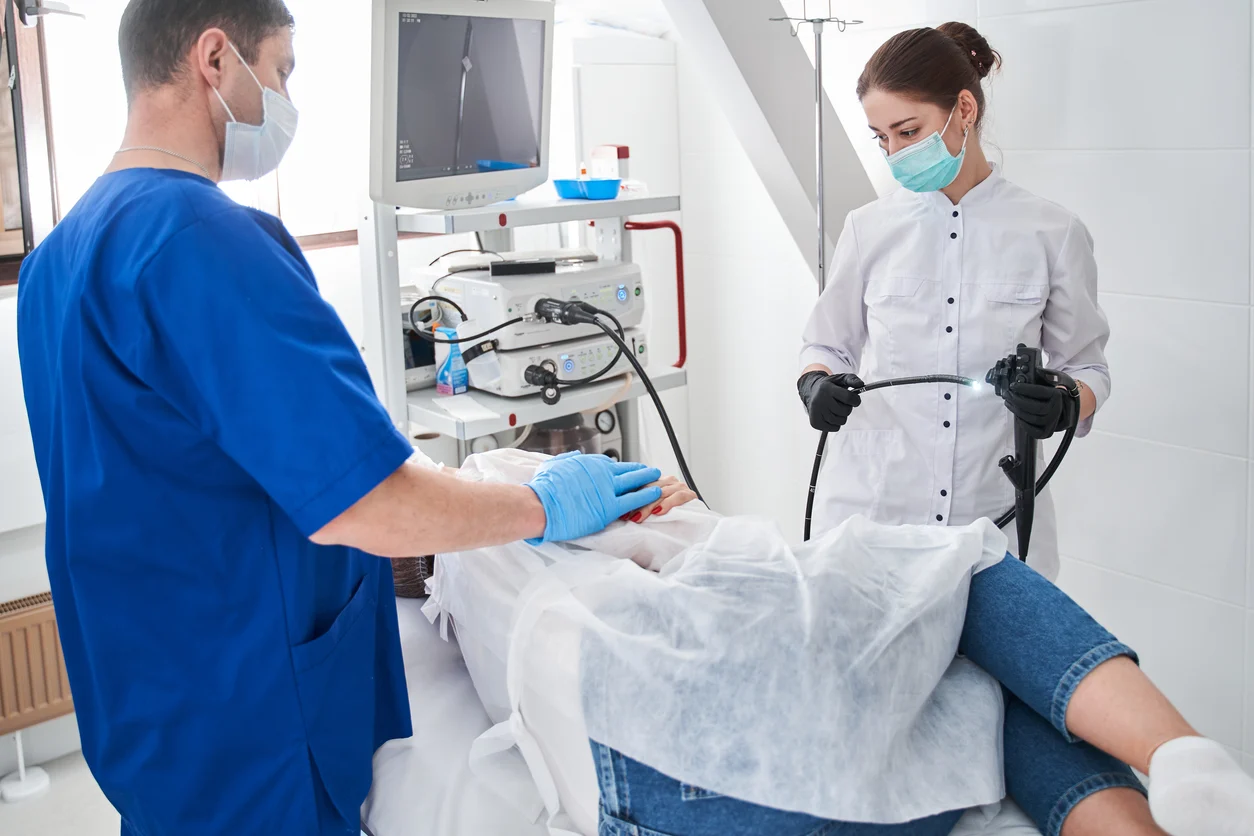
An Important Step for Colon Health.
It is easy to delay a colonoscopy for fear of the preparation or procedure. But colonoscopy gives doctors a close look at the colon and allows them to identify problems before they cause serious issues. Whether your colonoscopy is for routine screening or to check for gastrointestinal symptoms, preparation and communication with your doctor is the most important thing. Knowing what happens before, during and after the procedure can help patients arrive at their appointment better prepared and know what to expect during recovery. Anyone concerned about colorectal cancer screening, digestive symptoms and whether or not a colonoscopy is appropriate for them should talk to a qualified healthcare professional.